The protein revolution : how data transformed AI in biology
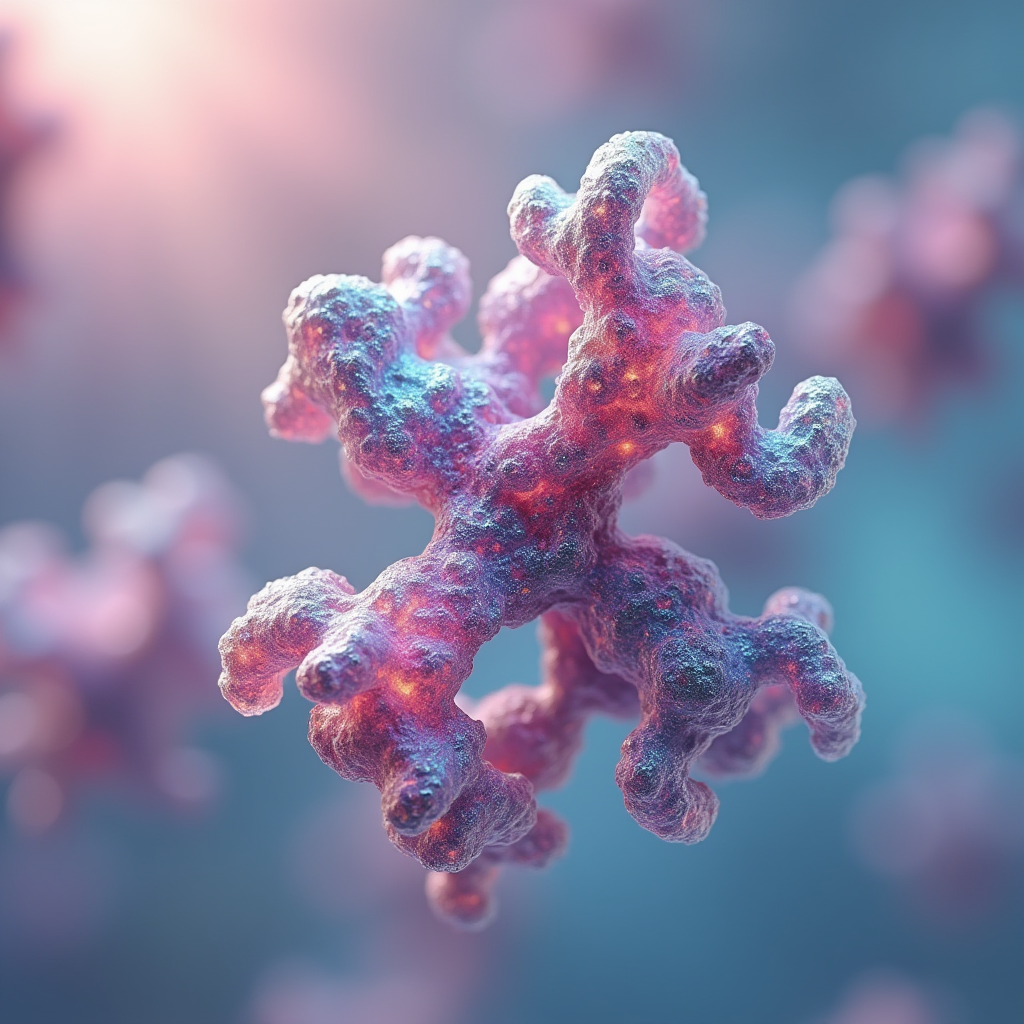
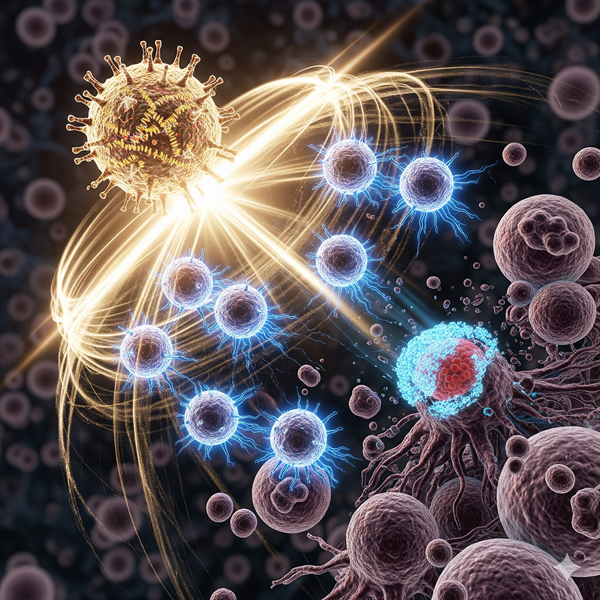
In a world where artificial intelligence (AI) continues to shape our understanding of science, a remarkable achievement has emerged at the forefront of the biological revival. The AlphaFold tool, awarded in the recent 2024 Nobel Prize in the fields of chemistry, stands as a beacon of technological advancement and depth of knowledge regarding protein structures.
The backbone of AI in biology: Protein Data Bank
At the heart of this incredible progress lies the Protein Data Bank (PDB), a database containing over 200,000 protein structures, which can now be accessed freely by researchers around the globe. The PDB's historical origin can be traced back to the foresight of Helen Berman, a crystallographer at the University of Southern California. A small group of passionate scholars recognized the necessity of a centralized location to store these invaluable protein structures back in the 1960s.
Did you know?
In the early days, scientists haphazardly shared protein structures using punch cards or magnetic tapes, a tedious process! They often had to mail blocks of data across oceans, significantly delaying collaborations and advances.
Open data: A necessity for progress
Helen Berman emphasizes open data as a cornerstone for scientific discovery. Originally, the PDB aimed to maintain protein coordinates, ensuring they would not be lost to time. However, as the crucible of public health and innovation began to bubble, it became explicitly clear—these structures needed to become part of the public domain to advance scientific understanding. Funding agencies played a pivotal role in shifting this perspective, establishing a mandate that researchers must share their thought processes with the PDB.
Though cumbersome, sharing knowledge has become a key principle leading up to today’s innovative tools, completely redefining modern science---an achievement exemplified by the likes of AlphaFold and beyond.
The mechanics of success: Validation and machine readability
Software innovations have benefitted immensely from the PDB's systematic approach which ensures protein data validation expertly rendered by curators. Additionally, the highly structured and machine-readable format supports * AI algorithm training, allowing revolutionary tools like AlphaFold and *RoseTTAFold to ascend and gain credibility in predicting and designing protein structures from sequences.
Revolutionizing biological AI
Researchers find themselves amid a biological AI renaissance, all due in part to the comprehensive resources provided by the PDB. For instance, projects initiated by David Baker at the University of Washington have wielded Ali-fold knowledge to design intricate new proteins, revolutionizing how scientists view protein sequence–structure relationships.
Why does this matter?
The implications of the PDB and AlphaFold reach far beyond the halls of academia. They serve as a framework that other scientific disciplines can emulate—be it chemistry, geology, or physics. Windfall advancements await fields benefitting from meticulously curated open data that promotes innovation.
As stimulating as this transformation is, one might ask: What challenges lie ahead?The responsibility to maintain open pathways to research must persist. Accessing robust databases such as the PDB can lead to insights prompting us to confront enigmatic scientific questions.
Conclusion
Offering a glimpse into the corridors of possibility—consider AlphaFold not merely as a building block of protein prediction, but as a foothold towards untangling biological mysteries connected to current global challenges in modern health crises like pandemics and chronic disease.
As we close the chapter on this segment of AI renaissance in biology, we must propel our focus forward—not only investing in innovation but endeavoring to cultivate future protein breakthroughs that improve the fabric of human life. What other hidden potentials remain untapped, waiting to be accessed?
For further insight into Helen Berman’s remarkable journey and the significance of PDB’s impact on the scientific community, be sure to check Nature.